If you’ve been researching options for missing or damaged teeth, you may have come across the term “prosthodontist” and wondered how it differs from a general dentist. Here’s a clear explanation of what a prosthodontist does, when you might need one, and how the restorative and implant expertise at NuSmile in Saratoga Springs, UT fits into that picture.
What Is a Prosthodontist?
A prosthodontist is a dentist who has completed additional, specialized training beyond dental school focused specifically on designing, fitting, and restoring teeth. This advanced training, typically an additional two to three years after earning a dental degree, centers on complex restorative and replacement dentistry, including crowns, bridges, dentures, dental implants, and full-mouth reconstruction. The specialty exists because restoring a damaged or missing smile, especially in complex cases, often requires a deeper focus on function, bite mechanics, and aesthetics than general dental training alone provides.
What Does a Prosthodontist Actually Do?
Prosthodontists focus on rebuilding and replacing teeth rather than on procedures like orthodontics or periodontal surgery, which fall under other dental specialties. Common areas of focus include designing and placing crowns and bridges, planning and restoring dental implants, creating full and partial dentures, and managing full-mouth reconstruction for patients with extensive damage, wear, or tooth loss. Because these cases often involve multiple teeth and complex bite relationships, prosthodontists typically take a comprehensive, big-picture approach to treatment planning rather than addressing one tooth in isolation.
How Is a Prosthodontist Different from a General Dentist?
A general dentist provides a broad range of everyday dental care, including exams, cleanings, fillings, and often basic restorative work like crowns and simple implant restorations. A prosthodontist has pursued focused, advanced training specifically in complex restorative and replacement dentistry, which can make them a good fit for cases involving significant tooth loss, full-mouth rehabilitation, or intricate implant planning.
That said, many general dentists, including those with substantial experience and advanced technology in implant and restorative dentistry, are highly capable of handling many of the same procedures a prosthodontist would. The right choice often comes down to the complexity of your specific case and the experience of the dentist you’re considering, more than the specific credential alone.
When Might You Need Prosthodontic-Level Care?
Certain situations tend to call for the kind of comprehensive planning associated with prosthodontic treatment: replacing most or all of your teeth with full-arch dental implants, undergoing full-mouth reconstruction after significant wear, decay, or trauma, planning multiple crowns or bridges that need to work together as a cohesive bite, and combining implants with other restorative work to rebuild a complex smile. In these cases, precise planning and advanced technology matter just as much as the specific title behind the dentist’s name.
How Does NuSmile Provide This Level of Care?
Dr. Jeremy Thompson has been practicing general and implant dentistry in Saratoga Springs, UT, since 1996, with decades of experience in exactly the kind of complex restorative and implant cases that prosthodontic training is built around. While Dr. Thompson is a general dentist rather than a board-certified prosthodontist, his advanced training and technology allow NuSmile to offer many of the same comprehensive restorative services.
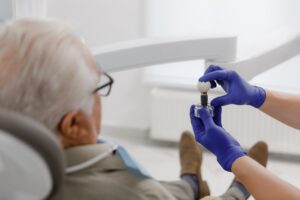
That includes full-mouth dental implants using Yomi® robotic guidance, one of the most advanced implant placement technologies available, an on-site dental lab with CAD-CAM 5-axis milling for precisely crafted same-day crowns and bridges, and comprehensive full-mouth reconstruction for patients with extensive dental damage. By 2023, Dr. Thompson was placing 5% of all robotic dental implants worldwide, reflecting a level of hands-on implant experience that few practices, prosthodontic or general, can match.
How Do You Choose the Right Provider for Complex Restorative Work?
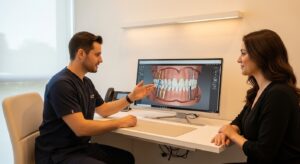
Rather than focusing solely on a specific title, it’s worth evaluating a provider’s actual experience with cases similar to yours, the technology they use for planning and placement, whether they offer in-house lab work for faster, more precise restorations, and how they approach treatment planning for multi-tooth or full-arch cases. A consultation is the best way to understand whether a provider’s specific expertise matches what your case requires.
Frequently Asked Questions
Do I need to see a prosthodontist for a single crown? Not necessarily. Most general dentists, including those with strong restorative training, are well-equipped to handle single crowns and similar routine restorative procedures.
Is a prosthodontist required for dental implants? No. Many general dentists with advanced implant training and technology, such as robotic guidance systems, are highly experienced in placing and restoring dental implants, including full-arch cases.
What’s the difference between a prosthodontist and a periodontist? A prosthodontist focuses on designing and restoring teeth, such as crowns, bridges, dentures, and implants. A periodontist specializes in the gums and supporting bone structure, including treating gum disease and performing certain surgical procedures.
How long does prosthodontic specialty training take? Prosthodontists typically complete an additional two to three years of specialized training after dental school, focused specifically on complex restorative and replacement dentistry.
Can a general dentist handle full-mouth reconstruction? Yes, particularly when that dentist has significant experience, advanced technology, and a strong track record with complex cases, similar to the type of training and expertise a prosthodontist develops.
How do I know if my case needs specialized restorative expertise? If your treatment involves multiple teeth, a full arch of implants, or a complex bite relationship, it’s worth discussing your case in detail during a consultation so your dentist can determine the right approach and level of expertise needed.
Get Expert Restorative Care at NuSmile
Whether you need a single restoration or a complete smile rebuild, the team at NuSmile brings decades of advanced implant and restorative experience to every case. Schedule a consultation today with our Saratoga Springs, UT, team to discuss your specific needs.